





Concrete Repair & Crack Injection
Forensic Structural Crack Remediation, Spalling Concrete Restoration & Anti-Carbonation Passivation
BINA Structural Repair executes precision concrete rehabilitation and high-pressure chemical injection across Malaysia in strict accordance with BS EN 1504 and ASTM C881 standards. Our certified engineering teams arrest structural hairline fissures, dormant shear cracks, and active water-bearing joints using specialized dual-component hydrophobic polyurethane (PU) resins and high-modulus low-viscosity structural epoxy injection.
Substrate Forensics & Crack Depth Diagnostics (ASTM C881 / BS EN 1504)
Before any injection grouting commences, certified structural technicians conduct ultrasonic pulse velocity (UPV) and optical crack micrometer surveys to map crack depth, root trajectories, and dynamic movement. Active vs. dormant fractures are classified under BS EN 1504 Part 9 Principle 1 (Protection Against Ingress) and Principle 4 (Structural Strengthening) to specify exact resin viscosity and volumetric ratios.
Material Science: Hydrophobic Polyurethane & Low-Viscosity Epoxy Resins
We employ zero-solvent, low-viscosity epoxy resins (ASTM C881 Grade 1) with tensile strengths exceeding 55 MPa for monolithic structural re-bonding. For water-bearing fissures, closed-cell hydrophobic polyurethane resins are deployed, reacting instantaneously with moisture to expand up to 20 times in volume, creating an impermeable elastic gasket resistant to 8 bar of hydrostatic head pressure.
High-Pressure Injection Protocol (1,500–3,500 PSI Grouting Ports)
Steel mechanical packers with anti-blowout check valves are installed in staggered 45-degree angled drill holes intersecting the crack at mid-depth. Injection proceeds systematically from the lowest port upward using specialized reciprocating airless pumps until clean resin exudes from the adjacent port, ensuring 100% void fill without air pockets.
Spalling Rebar Passivation, Mortar Patching & CIDB G4 Warranty
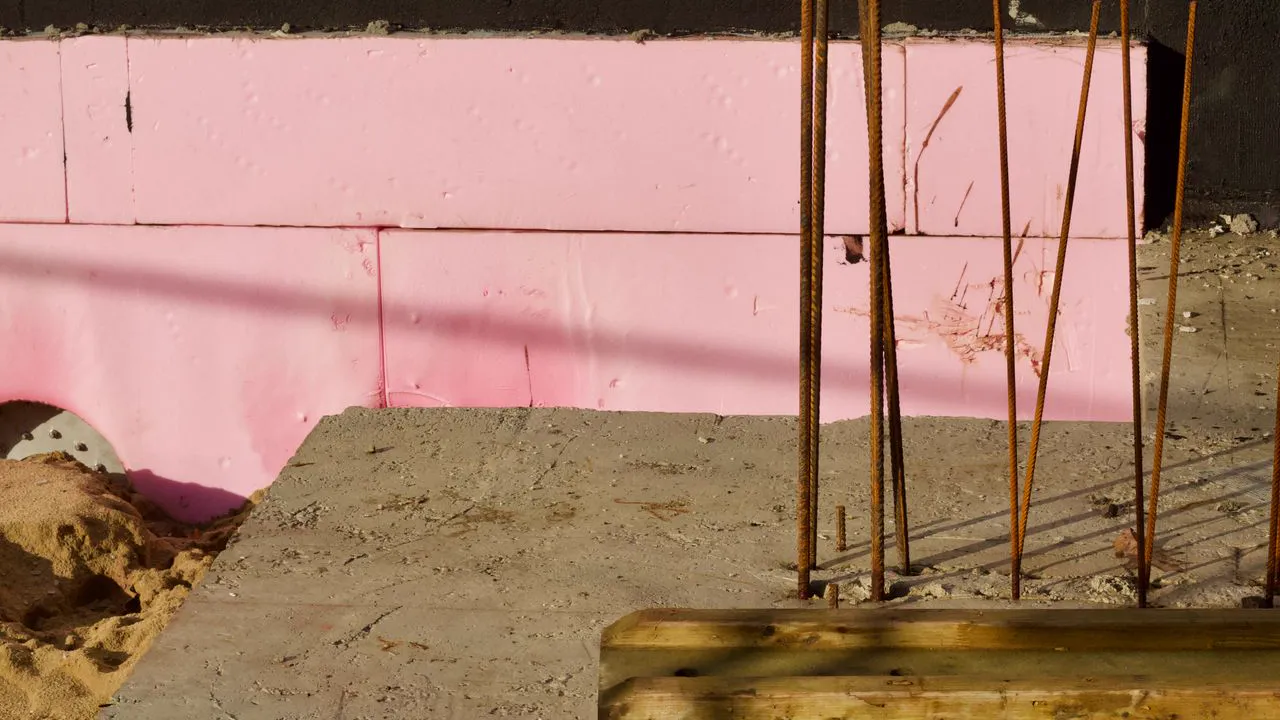
Corroded reinforcement steel is exposed 25mm behind rebar, wire-brushed to Swedish Standard Sa 2.5 cleanliness, and primed with zinc-rich sacrificial anodes. Reprofiling is completed with polymer-modified cementitious (PMC) mortar (BS EN 1504-3 Class R4) exhibiting compressive strength >45 MPa, sealed with an elastomeric anti-carbonation barrier.
Key Technical Specifications
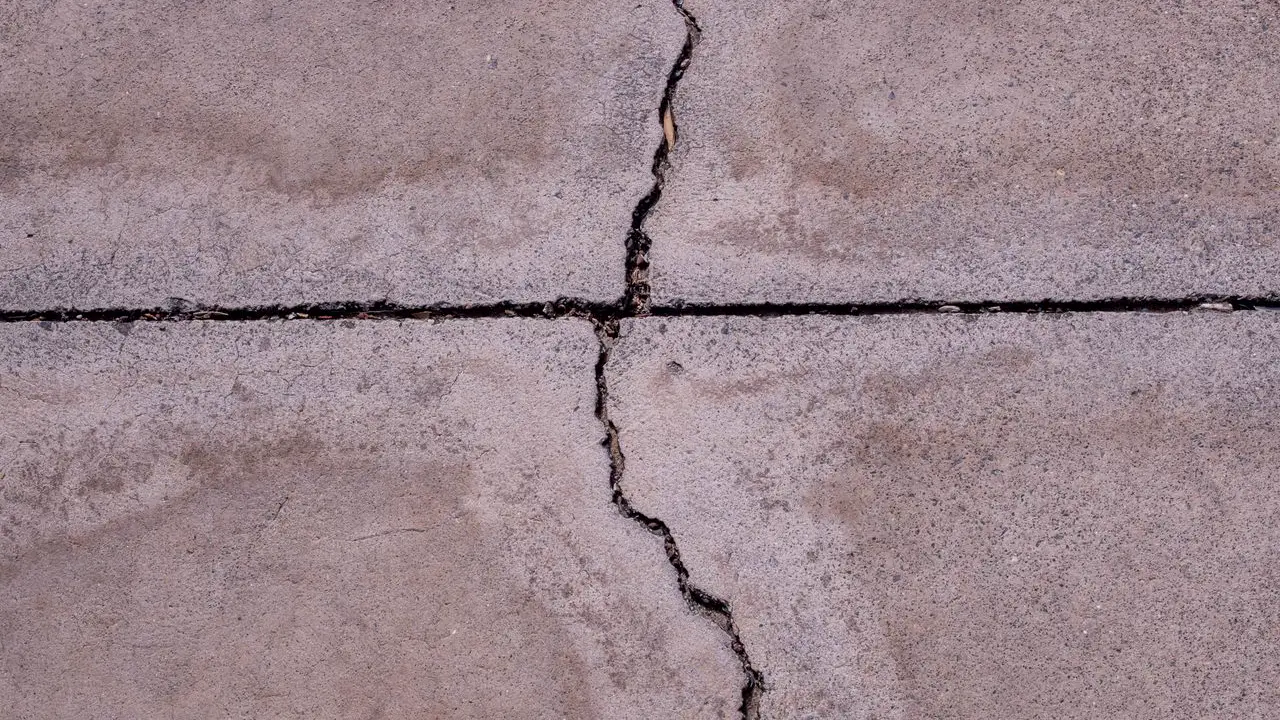
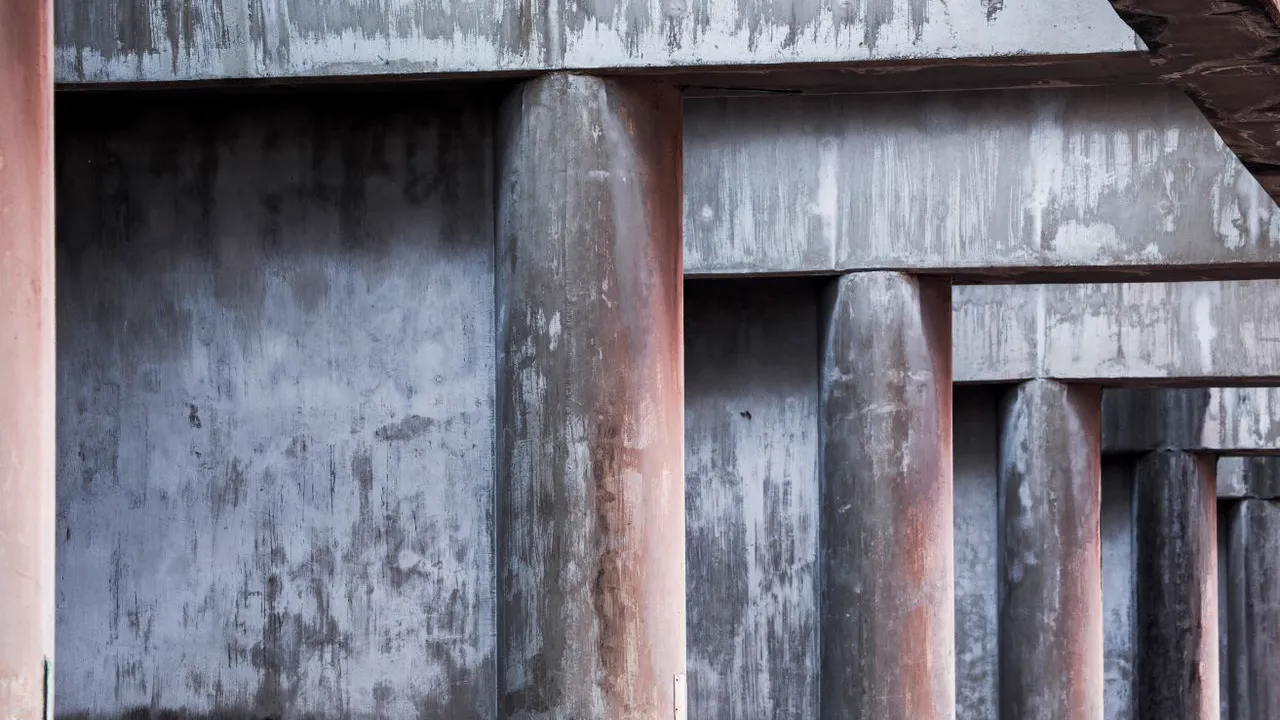
Forensic site inspection revealed active water leakage through reinforced concrete retaining walls, severe shear cracks (>0.4mm) spanning floor slabs, efflorescence mineral leaching, and localized concrete spalling with exposed rusting rebar.
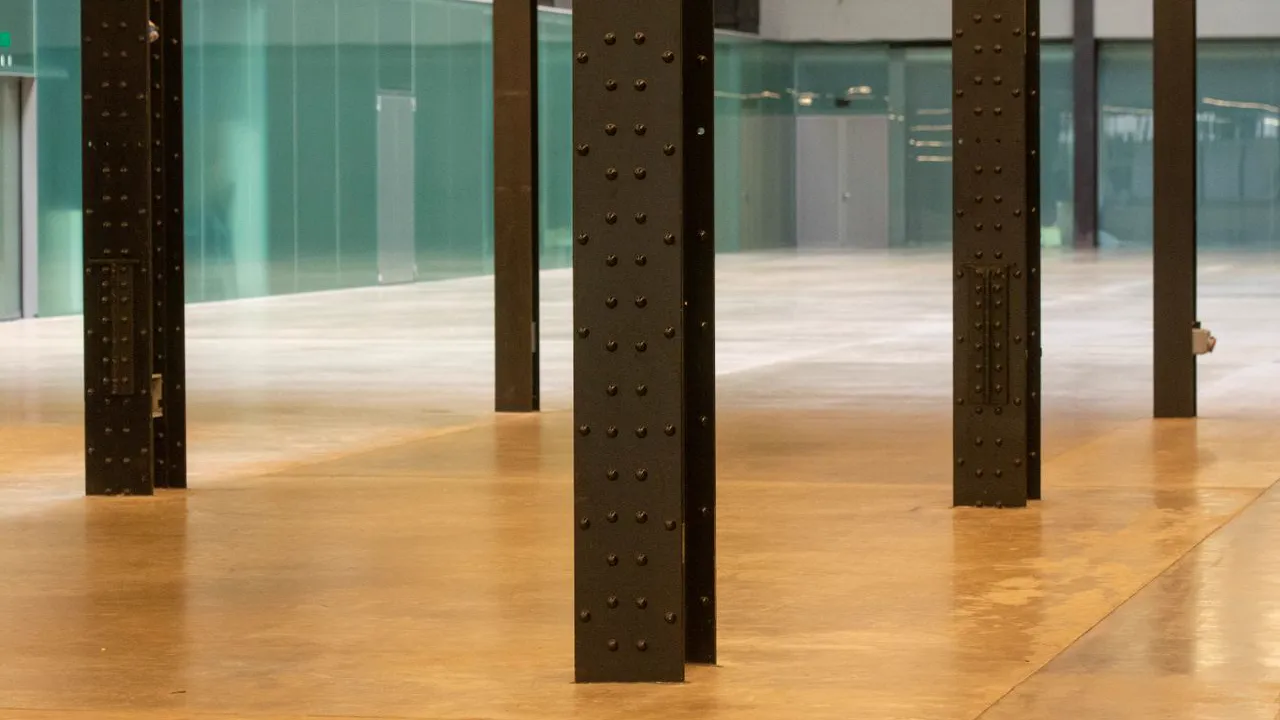
Subterranean water intrusion was completely arrested via 2,500 PSI hydrophobic polyurethane chemical injection. Structural load transfer was restored with low-viscosity epoxy, rebar passivated with zinc primers, and surfaces finished with a Class R4 mortar barrier.