Foundation Underpinning & Stabilization in Miri, Sarawak
BINA Structural Repair provides certified foundation underpinning & stabilization for commercial buildings, industrial factories, and residential structures throughout Miri and surrounding Sarawak districts. All rehabilitation procedures conform to BS 8004 (Foundations), ASTM D1143 Deep Foundations, JKR Geotechnical Manual, CIDB Act 520, backed by our CIDB Grade G4 warranty and over 34 years of civil engineering execution.
Trusted by Malaysia's Foremost Civil & Structural Authorities






Engineering Scope & Methodology for Miri Slabs
Structural failures in Miri are heavily influenced by local environmental parameters, including tropical humidity, fluctuating subgrade groundwater, and soil consolidation. BINA provides forensic diagnostics, determining whether defects stem from thermal dilation, rebar carbonation, load-bearing deficiencies, or subgrade settlement before deploying specialized pressure grouting or composite materials.
Geotechnical Diagnostics & Differential Settlement Mapping
Using high-precision digital rotary laser levels and ground-penetrating radar (GPR), geotechnical engineers quantify millimetric structural slope deflection and map subterranean void cavities. Soil bearing capacity is assessed against Standard Penetration Test (SPT N-values) to determine optimal underpinning depths down to competent bedrock or dense stratum.
Expanding Geo-Polymer Resin Injection (Hydro-Insensitive Mechanics)
For non-disruptive ground improvement, high-density expansive polyurethane resins are injected through 16mm steel lance tubes directly beneath footing foundations. The resin exerts controlled radial expansion pressures up to 5 MPa, compacting surrounding loose soils, displacing groundwater, and re-establishing uniform foundation contact bearing.
Steel Micropile Underpinning & Hydraulic Jacking (BS 8004)
Where deep weak soil profiles exist, sectional steel micropiles (76mm–140mm diameter) are hydraulically driven or rotary-drilled through footing brackets into competent hard stratum. Piles are pre-loaded to 1.5 times working load under ASTM D1143 test parameters before being locked off with high-strength non-shrink micro-concrete.
Real-Time Structural Monitoring & Substructure Warranty
During foundation lift and compaction operations, precision dial gauges and laser targets monitor building elevations at 0.1mm increments to prevent secondary stress fractures. Handover includes comprehensive leveling verification reports and a 10-year CIDB Grade G4 structural stability warranty.
Engineering Specifications (Foundation Underpinning & Stabilization)
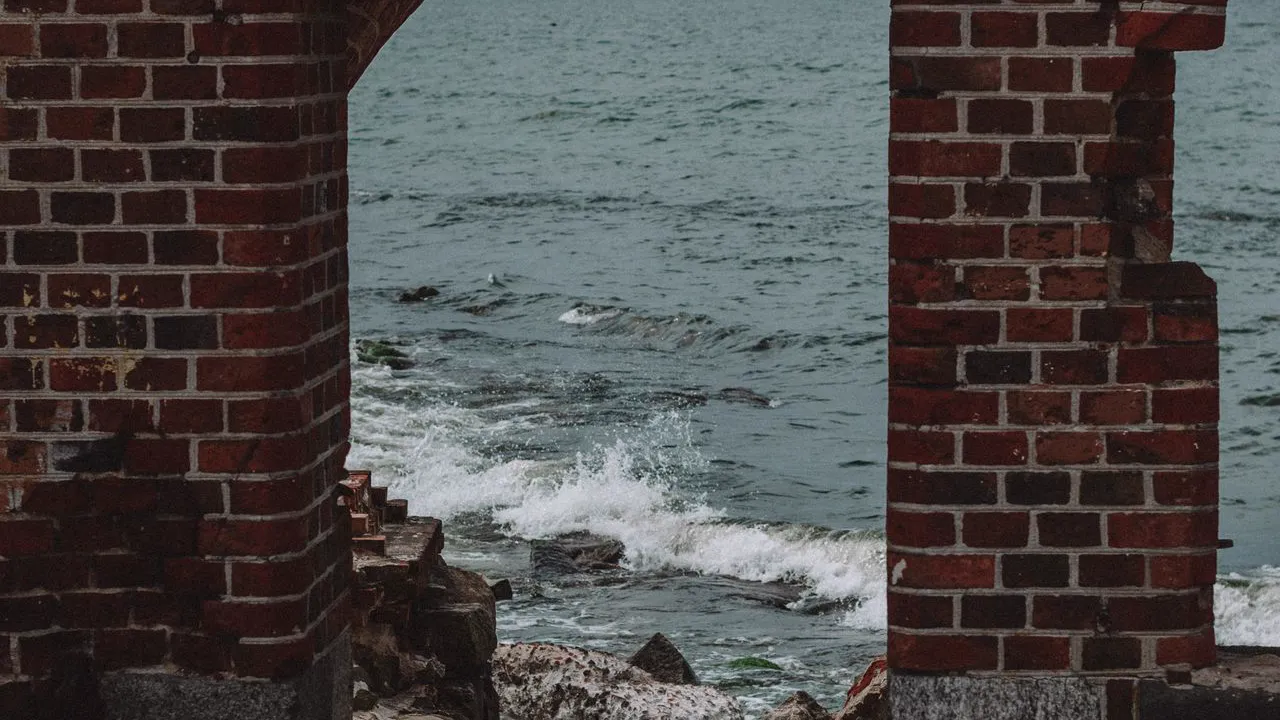
Consolidation of underlying peat soil caused severe differential settlement of 38mm along the end corner footing. Exterior brickwork exhibited alarming 45-degree stepped shear cracks, interior floor slabs sloped noticeably, and structural doorframes warped.
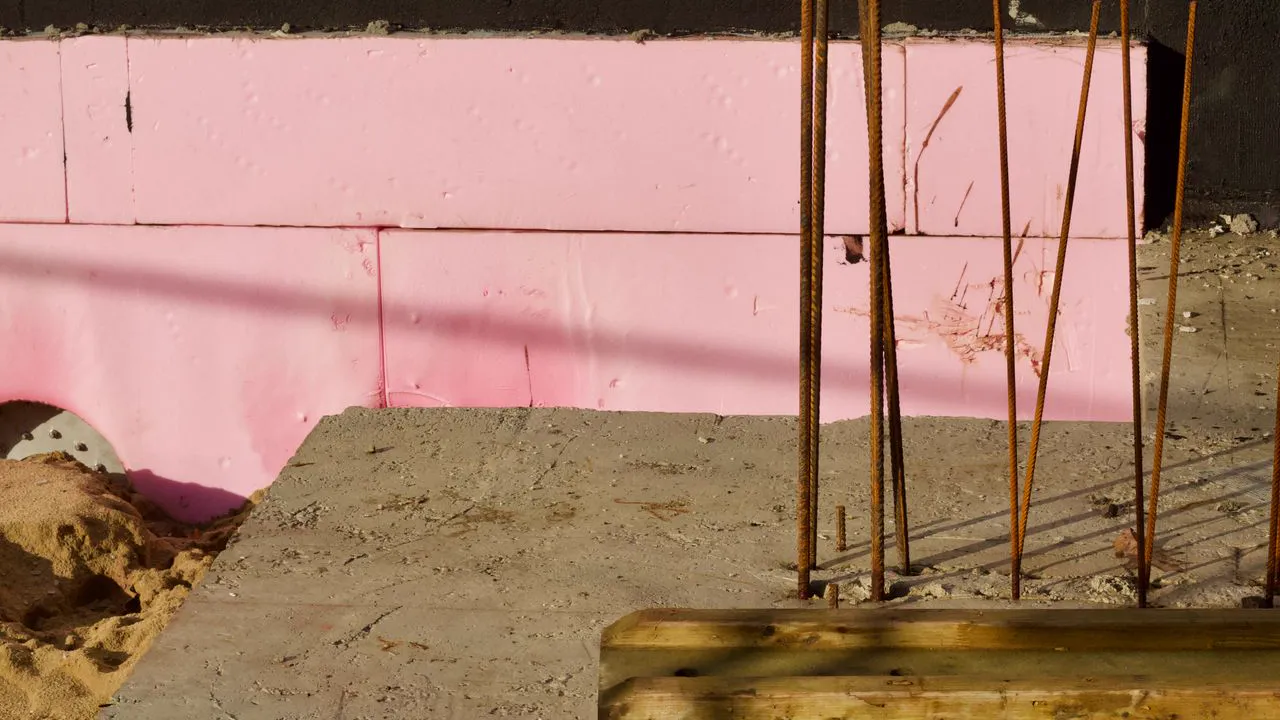
Injected expanding geopolymer resin to densify loose substrata, followed by 12 micropiles drilled to competent hard stratum at 12m depth. Differential settlement was permanently halted, lifting the building 24mm back toward original tolerance without tenant evacuation.
Other Civil Rehabilitation Capabilities in Miri
Concrete Repair & Crack Injection in Miri
BINA Structural Repair executes precision concrete rehabilitation and high-pressure chemical injection across Malaysia in strict accordance with BS EN 1504 and ASTM C881 standards. Our certified engineering teams arrest structural hairline fissures, dormant shear cracks, and active water-bearing joints using specialized dual-component hydrophobic polyurethane (PU) resins and high-modulus low-viscosity structural epoxy injection.
CFRP Structural Strengthening in Miri
BINA Structural Repair provides certified Carbon Fiber Reinforced Polymer (CFRP) composite strengthening and structural section enlargement across Malaysia. Engineered in full compliance with ACI 440.2R and BS 8110 standards, our composite laminate systems deliver up to 200% flexural and shear load upgrades to reinforced concrete beams, columns, bridge piers, and floor slabs without adding dead weight.
Basement & Structural Waterproofing in Miri
BINA Structural Repair engineers robust negative-side and positive-side structural waterproofing systems across Malaysia, specializing in deep underground basements, elevator lift pits, retaining walls, and water retaining civil structures. Fully compliant with BS 8102 (Type A Barrier & Type C Drained Protection) and ASTM C1202, our crystalline chemical treatments and hydrophobic PU grouts provide lifetime defense against tropical monsoonal water tables.
Recommended Engineering Guides for Miri Property Managers
Concrete Crack Diagnosis: Distinguishing Structural Shear Fissures from Non-Structural Shrinkage Micro-Cracks
BINA Structural Repair executes rigorous non-destructive crack diagnostics across reinforced concrete structures in Malaysia. Differentiating active structural shear fissures from plastic shrinkage micro-cracks requires optical micrometer crack-width measurement, ultrasonic pulse velocity (UPV) depth probing, and vibration frequency analysis in accordance with BS EN 1504 and ACI 224.1R standards to determine whether high-pressure epoxy rebonding or flexible polyurethane sealing is required.
Concrete Forensics & PathologyCarbonation Depth Testing (BS EN 14630) and Atmospheric Rebar Corrosion Mechanisms in Coastal Malaysia
Carbonation-induced rebar corrosion poses a severe threat to reinforced concrete in tropical urban and coastal Malaysia. When atmospheric carbon dioxide reacts with calcium hydroxide (Ca(OH)2), concrete pH drops from 12.5–13.5 to below 9.0, neutralizing the protective passivation layer around steel reinforcement. BINA Structural Repair utilizes phenolphthalein indicator spray under BS EN 14630, followed by electrochemical breakout, zinc anode placement, and Class R4 anti-carbonation barrier application.
Concrete Forensics & PathologyChloride Ion Penetration & Electrochemical Degradation in Marine Reinforced Concrete Structures
Reinforced concrete structures in coastal Malaysia—including Penang, Melaka, Johor, and Kemaman—suffer aggressive chloride ion ingress from airborne sea salt aerosols and high tidal water tables. Under ASTM C1202 and BS EN 12390-8, chloride ions depassivate steel reinforcement even in high-alkalinity concrete. BINA Structural Repair executes chloride profile profiling, electrochemical breakout, silane hydrophobic impregnation, and cathodic sacrificial anode systems.
Request a Certified Structural Engineering Consultation
Connect directly with our CIDB Grade G4 structural engineering specialists for site inspection, ultrasonic diagnostics, and customized technical quotation.
For immediate technical inquiries, diagnostic consultations, or scope evaluations, our civil engineering desk is available via official WhatsApp.